
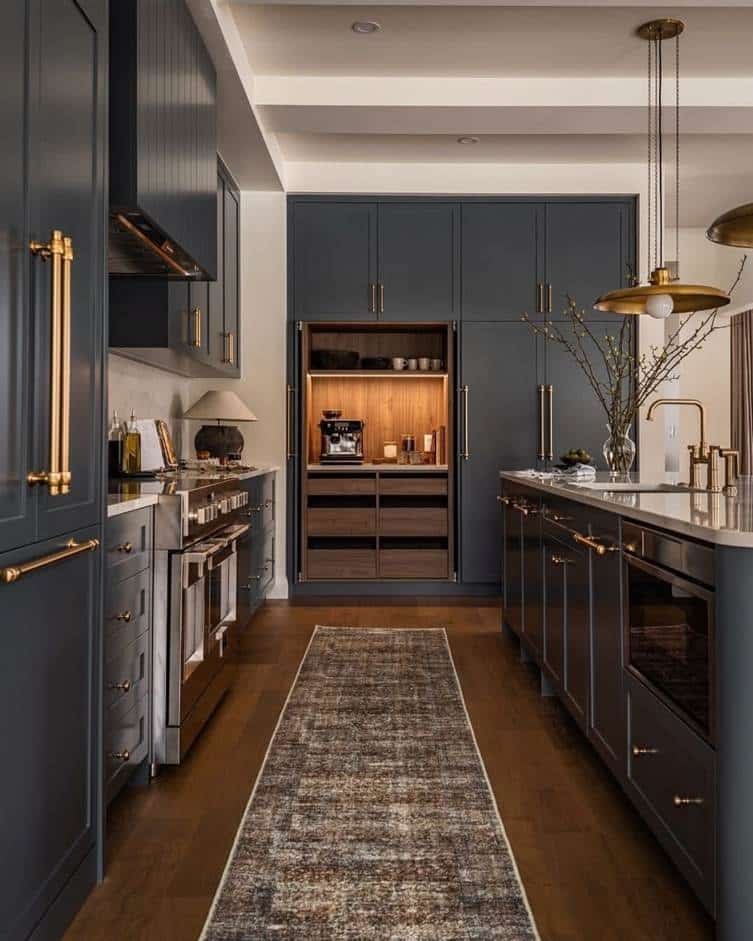
Planning a kitchen renovation can feel like a big project — and it is. There are layout decisions, material choices, budget questions, and contractor conversations to work through before a single cabinet goes up.
But it does not have to be overwhelming. The best kitchen remodels in 2026 are not about chasing trends for their own sake. They are about building a kitchen that genuinely works better for your household — one that is easier to cook in, easier to keep clean, and more enjoyable to spend time in.
Before starting any structural work, check whether your project requires a permit. In Vancouver, changes to plumbing, gas lines, electrical systems, or load-bearing walls typically need approval from the City. See the City of Vancouver permit requirements for full details.
Below are seven kitchen remodel ideas worth considering for 2026 — practical, honest, and suited to real homes in Metro Vancouver.
1. Kitchens In Warm Wood tone: A classic and Comfortable Look
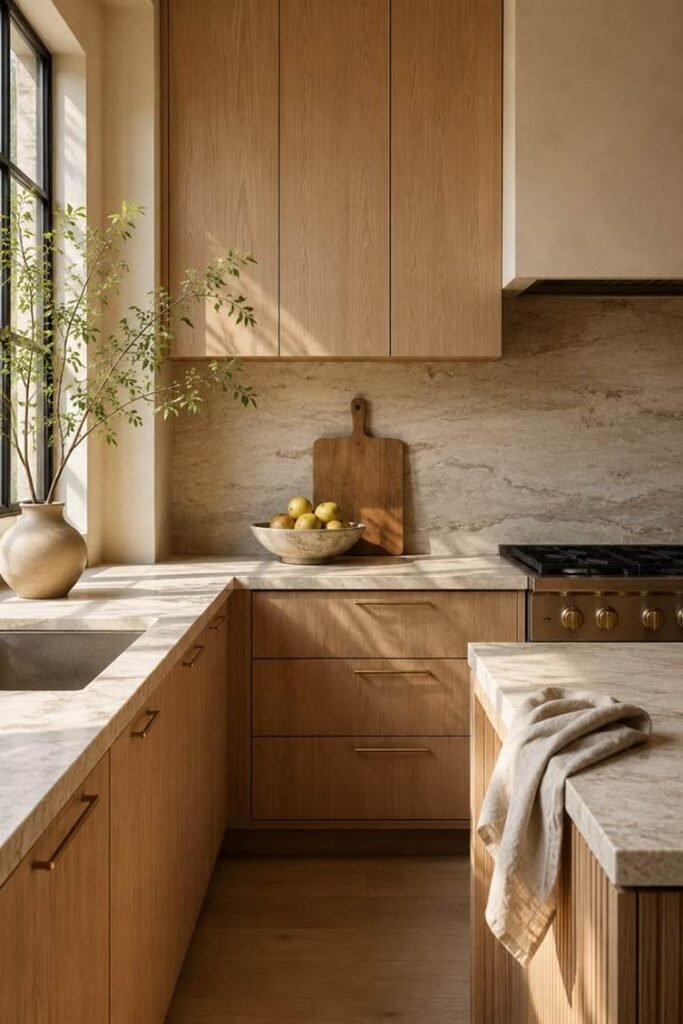
For years, white shaker cabinets were the default choice for kitchen renovations in Vancouver. They still work well – and they likely always will – but 2026 is seeing a clear move toward warmer, more natural finishes.
Light oak, medium walnut, and natural wood-toned cabinets have become increasingly popular because they bring warmth and texture to a kitchen without making it feel heavy or dated. They work across a wide range of styles, from modern and transitional to farmhouse and cottage, and they pair naturally with white countertops, stone surfaces, and soft neutral walls.
For homeowners who are not ready for a full cabinet replacement, this trend is also achievable through refacing. Applying a warm wood veneer to existing cabinet boxes – and replacing the doors – delivers a significant visual change at a fraction of the cost. It is one of the most practical upgrades available if the cabinet structure is still in good condition.
If you are working with a tight budget, even swapping out flat slab doors for shaker-profile doors in a warm wood finish can make a noticeable difference to how the kitchen feels.
Why warm wood cabinets work well in 2026:
- They make the kitchen feel more comfortable and lived-in, rather than sterile
- Light oak and natural wood tones suit both small and large kitchens
- They combine easily with white, cream, grey, and stone finishes — so you are not locked into a single colour scheme
2. Storage-First Kitchens: Better Organization for Everyday Life
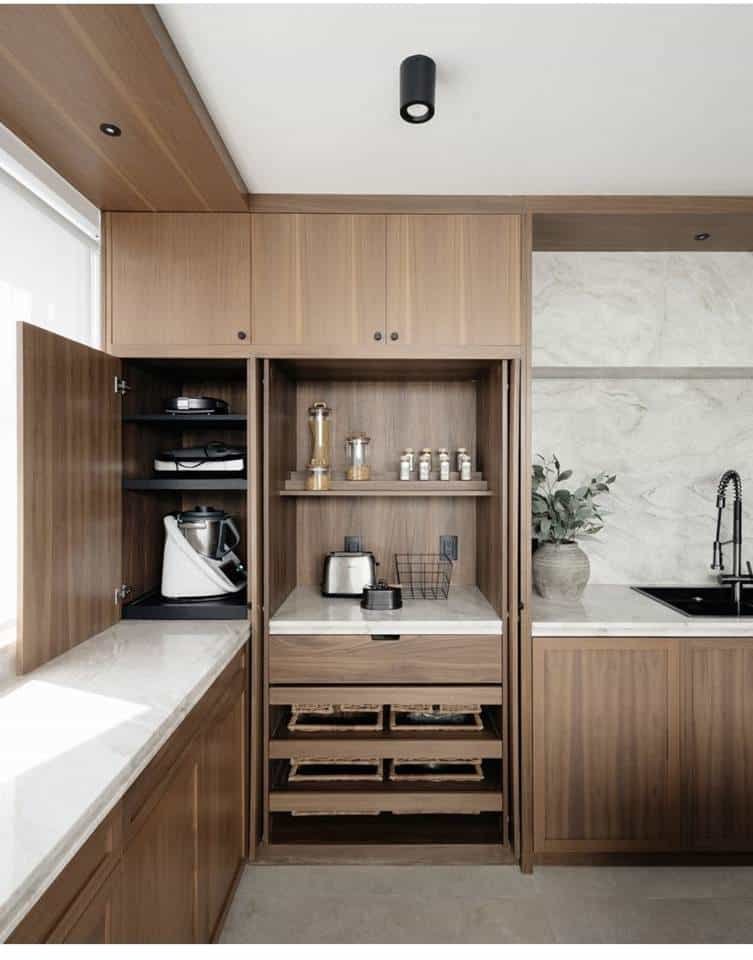
If there is one thing homeowners consistently say they wish they had done differently, it is planned for more storage. In Vancouver condos and smaller homes especially, kitchen storage is often an afterthought – and it shows within the first year of living in the space.
A storage-first approach means designing the kitchen around how you actually use it: where groceries land when you walk in the door, how you access pots and pans, where small appliances live when they are not in use, and how waste and recycling are managed without cluttering the floor.
The goal is not to maximise cabinet count. It is to make sure that every item in the kitchen has a logical, accessible home – so that the countertops stay clear and the kitchen functions the way it should on a busy weekday morning.
For condos and smaller kitchens, this often means vertical storage matters more than horizontal. Full-height pantry cabinets, overhead storage, and tall units make a significant difference when floor space is limited.
Storage features worth including in a 2026 kitchen remodel:
- Full-height pantry cabinets – more storage without using extra floor space, and they keep countertops clear
- Deep drawers for pots and pans – far easier to access than low corner cabinets
- An appliance station – a dedicated spot for coffee machines, toasters, and blenders, ideally with a tambour door or panel to keep them out of sight
- Integrated recycling and waste storage – built into the cabinetry so bins stay off the floor
3. Open-Concept Kitchens: Open Space with Better Function
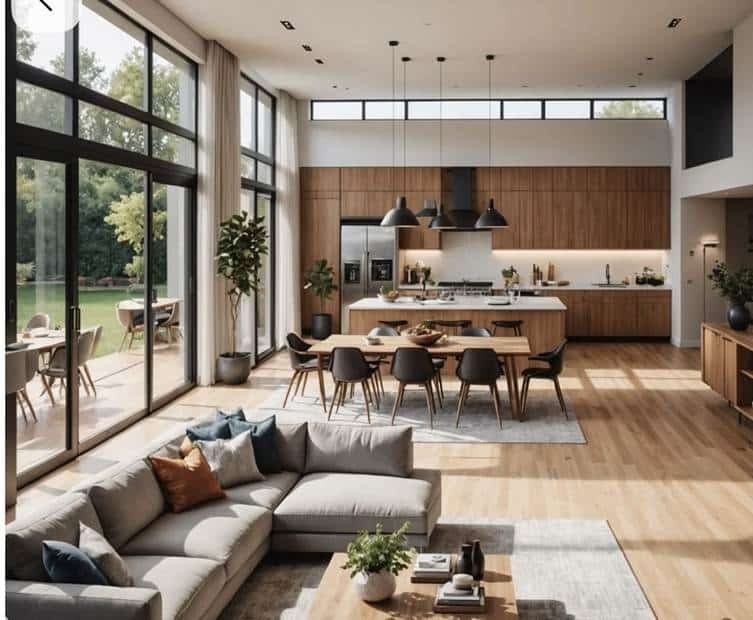
Open-concept kitchens have been popular for over a decade, and they remain one of the most requested layouts in Metro Vancouver — particularly in detached homes and larger condos where the floor plan supports it.
The appeal is straightforward: connecting the kitchen to the dining and living areas creates a space that feels larger, makes it easier to supervise children, and allows the person cooking to stay part of the conversation rather than working in a separate room.
That said, open-concept does not suit every home, and it is worth being realistic about the trade-offs. Cooking smells and noise travel further in an open layout, and a kitchen that is visible from the living room needs to be kept tidier day-to-day. For some households, a semi-open design — with a partial wall, peninsula, or raised bar — offers a better balance.
If you are considering removing a wall to open the kitchen, the first step is confirming whether it is load-bearing. A structural assessment is non-negotiable before any wall comes down. Costs and timelines change significantly depending on what is inside the wall — plumbing, electrical, and gas lines all add complexity.
For galley kitchens — long, narrow layouts common in older Vancouver homes and condos — opening one side toward an adjacent room is often the most effective transformation available. Even a partial opening with a pass-through or peninsula can change how the space feels.
What makes an open-concept kitchen work:
Good storage so the kitchen looks organised when visible from the living room
Clear zones for cooking, dining, and living – even without walls dividing them
A well-planned hood fan that removes cooking odours effectively (more important in an open layout)
4. Multi-Functional Kitchen Islands: Doing more than a Counter Space
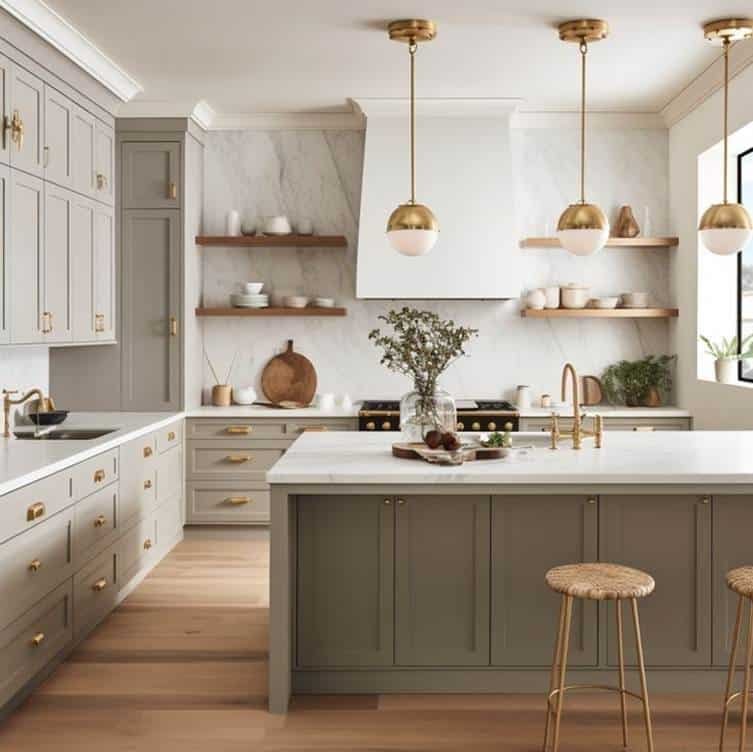
A well-designed island is one of the most practical additions a kitchen renovation can include. It adds prep space, seating, storage, and in some cases a second sink or additional appliances – all in one footprint.
The key word is well-designed. Islands that are too small, positioned too close to surrounding cabinets, or lacking storage underneath end up being less useful than homeowners expect. The difference between a good island and a great one usually comes down to planning the clearance, depth, and functionality before any materials are selected.
As a general guideline, allow at least 42 to 48 inches of clear space on each side of the island for comfortable movement. In smaller kitchens, this clearance requirement sometimes means an island is not the right choice – a peninsula attached to an existing wall may deliver the same benefits in less space. See the NKBA kitchen planning guidelines for full clearance standards.
For homeowners upgrading an existing island that is undersized or poorly laid out, replacing it with a deeper version that includes built-in drawers and integrated seating is one of the most effective investments in a kitchen remodel.
How to get more from a kitchen island:
Choose a durable countertop surface – the island takes more daily wear than any other surface in the kitcheny.
Prioritise depth over length – a deeper island gives you genuine prep space
Include built-in drawers rather than cabinet doors – much easier to access
Add counter seating on one side if the layout allows – useful for casual meals and homework
5. Integrated Appliances and Smart Features: A Clutter-Free and Well-Working Kitchen
Integrated appliances — refrigerators, dishwashers, and range hoods that are built flush with the cabinetry – have moved from a luxury feature to a mainstream kitchen upgrade. In 2026, they are one of the most effective ways to make a kitchen feel considered and well-designed rather than assembled from separate parts.
The practical benefit is less visual noise. When appliances blend into the cabinetry, the kitchen reads as one cohesive space rather than a collection of different finishes and materials competing for attention. This matters especially in open-concept layouts, where the kitchen is visible from other rooms.
Integrated appliances are not exclusively for high-budget renovations. Panel-ready dishwashers, for example, are available at a wide range of price points and allow a standard appliance to be fitted with a cabinet door panel that matches the rest of the kitchen. The result looks custom without necessarily costing more than a standard built-in.
Other practical upgrades worth including in a 2026 kitchen remodel:
Built-in outlets in the backsplash or island – keeps phone chargers and small appliances off the countertop
A properly sized hood fan – essential in any kitchen, but especially important in open-concept layouts where cooking smells travel further
Touchless faucets – genuinely useful when cooking, and easier to keep clean
An induction cooktop – smooth surface, efficient heating, and considerably safer than gas in a household with young children
6. Multi-level Kitchens: Better functionality and Appeal
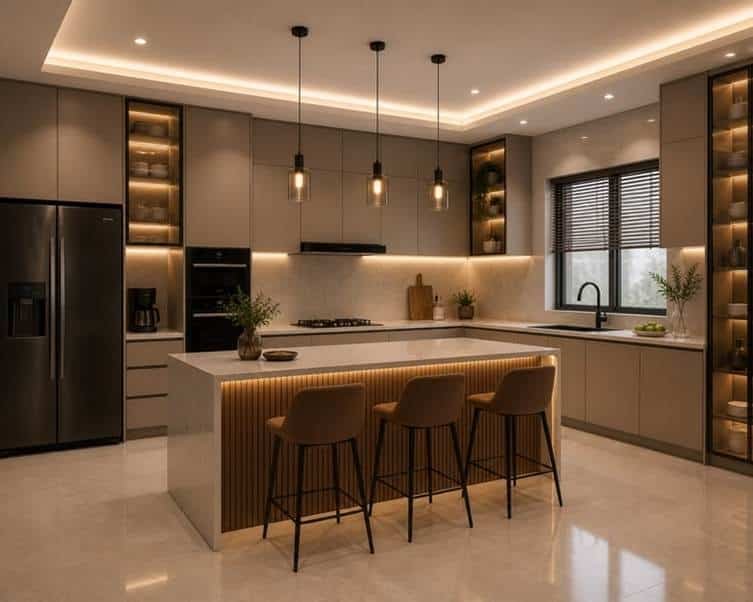
Lighting is consistently one of the most under-planned parts of a kitchen renovation. Many homeowners focus on cabinets, countertops, and flooring – and then realise too late that the lighting plan does not support how the kitchen actually gets used.
A kitchen needs more than one type of light. It needs bright, even light for food preparation and cleaning, focused light for specific work areas, and softer ambient light for evenings when the kitchen transitions into a social space. A single ceiling fixture cannot do all of those things at once.
In 2026, layered lighting is a standard expectation in well-designed kitchens rather than an upgrade. The good news is that adding it during a renovation – when walls and ceilings may already be open — is significantly easier and less expensive than retrofitting it later.
For any kitchen involving LED lighting upgrades, it is worth reviewing ENERGY STAR guidelines for LED efficiency to maximise long-term savings.
The four types of lighting every kitchen should have:
Interior cabinet lighting — useful inside glass-front cabinets, pantry units, or display areas, and surprisingly practical when navigating the kitchen at night
Ambient lighting — recessed ceiling lights or a central fixture that provides overall brightness throughout the space
Task lighting — under-cabinet LED strips that illuminate the countertop directly below, making food preparation safer and more comfortable
Pendant lighting — above the island or dining area, pendants add personality and define a zone within an open-plan space
7. Eco- Friendly Kitchens: Designed for the long haul
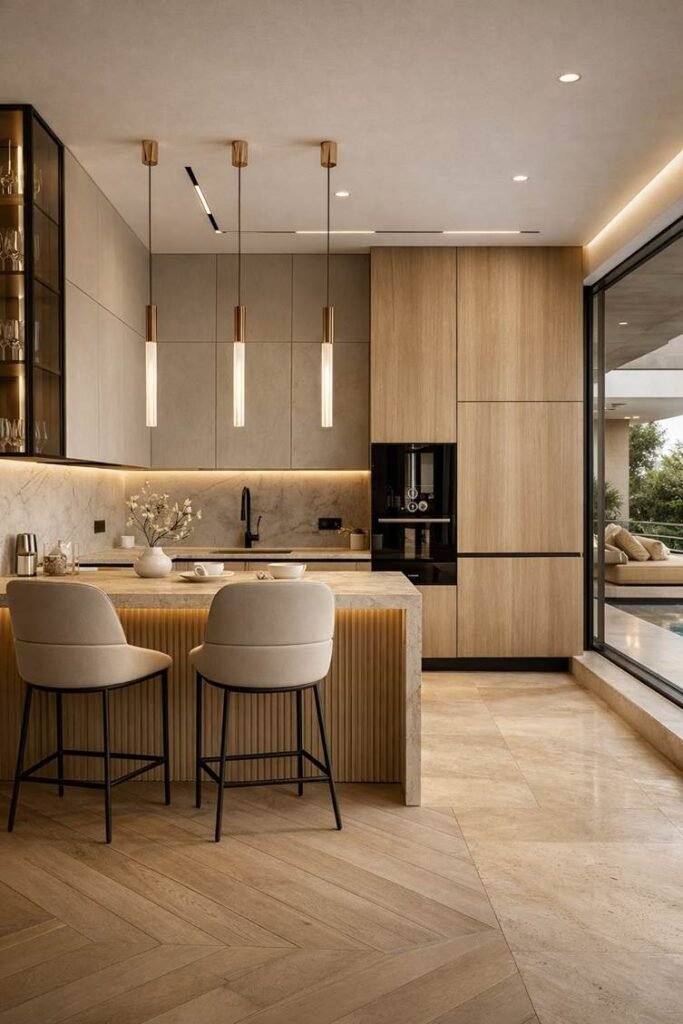
A sustainable kitchen renovation in 2026 does not mean a specific aesthetic or a premium price tag. It means making choices that hold up well over time – materials that do not need replacing in five years, appliances that are energy-efficient, and finishes that are safe to live with.
In practical terms, this usually means prioritising quality over trend. A cabinet that is built well and finished properly will outlast a cabinet that looks good in a showroom but is made from materials that do not handle daily moisture and wear. The same applies to countertops, flooring, hardware, and appliances.
For older Vancouver homes – particularly those built in the 1950s, 1960s, and 1970s – sustainability often comes naturally with the renovation. Replacing aging appliances, improving ventilation, upgrading insulation, and bringing electrical systems up to code all reduce the home’s energy footprint and improve the daily experience of the space.
Low-VOC paints and finishes are also worth specifying, particularly in kitchens where ventilation is limited. They reduce off-gassing during and after the renovation, which matters for indoor air quality – especially in tighter condo spaces.
Why durability is one of the best investments in a 2026 kitchen:
A well-built kitchen holds its value better when the time comes to sell
Quality materials and installation reduce repair and replacement costs over the long term
Energy-efficient appliances and LED lighting lower ongoing utility costs
Low-VOC finishes and proper ventilation improve indoor air quality
Bonus: Small Details That Make a Big Difference
Not every improvement requires a full renovation. If the budget or timeline does not support a complete remodel, targeted upgrades can still deliver a meaningful change in how the kitchen looks and functions.
Some of the most effective smaller updates include:
Adding open shelving to one wall – useful for display and everyday items, and it makes a small kitchen feel less enclosed
Replacing cabinet door hardware – new pulls and handles are inexpensive and immediately change the feel of a kitchen
Installing under-cabinet lighting – one of the best value-for-money upgrades available in any kitchen
Replacing a dated faucet – a quality faucet with a pull-down sprayer improves daily use more than most people expect
Painting or refacing cabinet doors – if the cabinet boxes are structurally sound, this is far less expensive than replacement and can look very close to the real thing
Related: Bathroom renovation services in Vancouver – if you are planning a kitchen and bathroom project together.
Common Questions
Kitchen Remodel Ideas 2026: Frequently Asked Questions
Answers to the most common questions about kitchen remodeling costs, timelines, layouts, permits, and materials in Vancouver and Metro Vancouver.
Kitchen remodel costs in Vancouver typically range from $15,000 to $80,000 or more depending on scope, size, and finish level.
- Basic refresh (cabinet refacing, countertops, fixtures): $15,000–$25,000
- Mid-range remodel (new cabinets, quartz countertops, appliance upgrades): $30,000–$55,000
- Full custom renovation (structural changes, integrated appliances, premium materials): $60,000–$80,000+
The most popular kitchen remodel ideas for 2026 include:
- Warm wood tone cabinetry in oak, walnut, and natural finishes
- Storage-first layouts with full-height pantry cabinets and deep drawers
- Open-concept designs that connect the kitchen to the living area
- Multi-functional islands with seating and built-in storage
- Integrated appliances for a seamless, clutter-free cabinet look
- Layered lighting with under-cabinet, recessed, and pendant fixtures
- Eco-friendly finishes with energy-efficient appliances and LED lighting
Permits are typically required in Vancouver when a kitchen renovation involves:
- Removing or moving walls (especially load-bearing)
- Relocating plumbing or moving the sink
- Changing electrical panels or adding new circuits
- Modifying gas lines or moving the cooktop
Cosmetic updates such as cabinet refacing, countertop replacement, and new flooring generally do not require a permit. Always confirm with your contractor before starting.
Cabinet refacing keeps existing boxes in place and replaces only the doors, drawer fronts, and visible surfaces. It is faster and typically costs 40–60% less than full replacement.
Cabinet replacement removes all existing cabinetry and installs new custom or semi-custom cabinets from scratch. Replacement is recommended when existing boxes are damaged, poorly built, or when you need a significant layout change.
Timelines vary by scope:
- Cabinet refacing or small refresh: 2–3 weeks
- Mid-range remodel (new cabinets, countertops, appliances): 4–6 weeks
- Full renovation with structural work, plumbing, and electrical: 6–10 weeks or more
Planning and material selection before construction begins can help reduce delays significantly.
An open-concept kitchen remodel can significantly improve the flow, natural light, and livability of a home — and often improves resale value. However, costs vary depending on whether a load-bearing wall is involved, which requires an engineer’s assessment and a permit. It is worth discussing with a licensed renovation contractor before committing to the layout change.
The most effective small kitchen remodel ideas for Vancouver condos include:
- Full-height pantry cabinets to maximize vertical storage
- Deep drawers instead of lower cabinet doors for better access
- Integrated appliances to reduce visual clutter
- Light-coloured cabinetry to make the space feel larger
- Under-cabinet lighting to brighten countertops
- A compact island or peninsula if the layout allows
The most impactful budget-friendly kitchen remodel ideas include:
- Painting or refacing existing cabinet doors instead of replacing them
- Replacing hardware with updated pulls and knobs
- Installing a new countertop without changing the cabinet layout
- Adding under-cabinet LED lighting
- Updating the backsplash tile
- Replacing the faucet and sink
- Upgrading pendant or ceiling lighting fixtures
These targeted changes can refresh a kitchen’s look significantly without the cost of a full renovation.
Quartz is the most popular countertop choice for 2026 — durable, non-porous, low maintenance, and available in a wide range of colours. Porcelain slabs are also gaining popularity for their large-format look and heat resistance. Granite remains a strong natural stone option. Laminate has improved significantly in quality and is a practical choice for budget-conscious remodels. The best material depends on your budget, daily use, and overall design direction.
Yes — a galley kitchen can often be converted into a more open layout by removing a non-load-bearing wall on one side. This is one of the most effective galley kitchen remodel ideas for Vancouver homes where the kitchen runs parallel to a dining or living area. If the wall is load-bearing, a structural beam will be required, which adds cost and timeline. A licensed contractor can assess the structure and advise on the best approach for your specific layout.
A targeted kitchen update before selling can improve buyer appeal and sale price, but a full renovation is not always cost-effective. Updates that tend to offer the best return in the Vancouver market include fresh cabinet doors or refacing, new countertops, updated hardware, modern lighting, and new flooring. A full gut renovation before a sale carries higher risk since buyers may not share the same design preferences. Speak with your renovation contractor and real estate agent before deciding on scope.
The right kitchen layout depends on the size and shape of the space, how many people use the kitchen at once, and how it connects to the rest of the home:
- Galley kitchen: Efficient for narrow spaces and one or two cooks
- L-shaped kitchen: Suits corner spaces and pairs well with an island
- U-shaped kitchen: Maximum storage and counter space
- Open-concept: Ideal for families who want the kitchen connected to living and dining areas
A renovation contractor can help assess which layout works best for your specific floor plan.
Have a question not covered here? Our team is happy to help you plan your kitchen remodel.
Book a Free ConsultationFinal Thoughts: Choosing the Right Kitchen Remodel Ideas for 2026
A kitchen renovation is a significant investment. In 2026, the best kitchen remodel ideas focus on daily function, practical storage, warmer materials, smart technology, layered lighting, and long-term comfort – regardless of the size or style of the space.
The right kitchen is not only the one that photographs well. It is the one that supports your daily routine, works well for your family, and fits your budget.
Whether you are searching for kitchen remodel ideas near me in Vancouver, exploring galley kitchen reno ideas for a long narrow layout, considering IKEA kitchen remodel ideas on a mid-range budget, planning a bi level kitchen remodel, or working through split level kitchen ideas – the right contractor can help you work through the options clearly, without unnecessary pressure or guesswork.
Planning a kitchen renovation in Vancouver or the surrounding Metro Vancouver area?
Our team at Vancouver Renovate can help you understand your options, plan your layout, and create a kitchen that is both functional and beautiful — on a realistic budget and timeline.
Book a Free Consultation:
vancouverrenovate.ca/contact-us/Related pages on Vancouver Renovate:
Kitchen Renovation Vancouver | Bathroom Renovation Vancouver | Basement Renovation Vancouver | Cabinet Installation | Flooring Services | Countertops